Built Different: An Insider’s Look at Marketing’s Next Evolution

Rad Amplify Blog
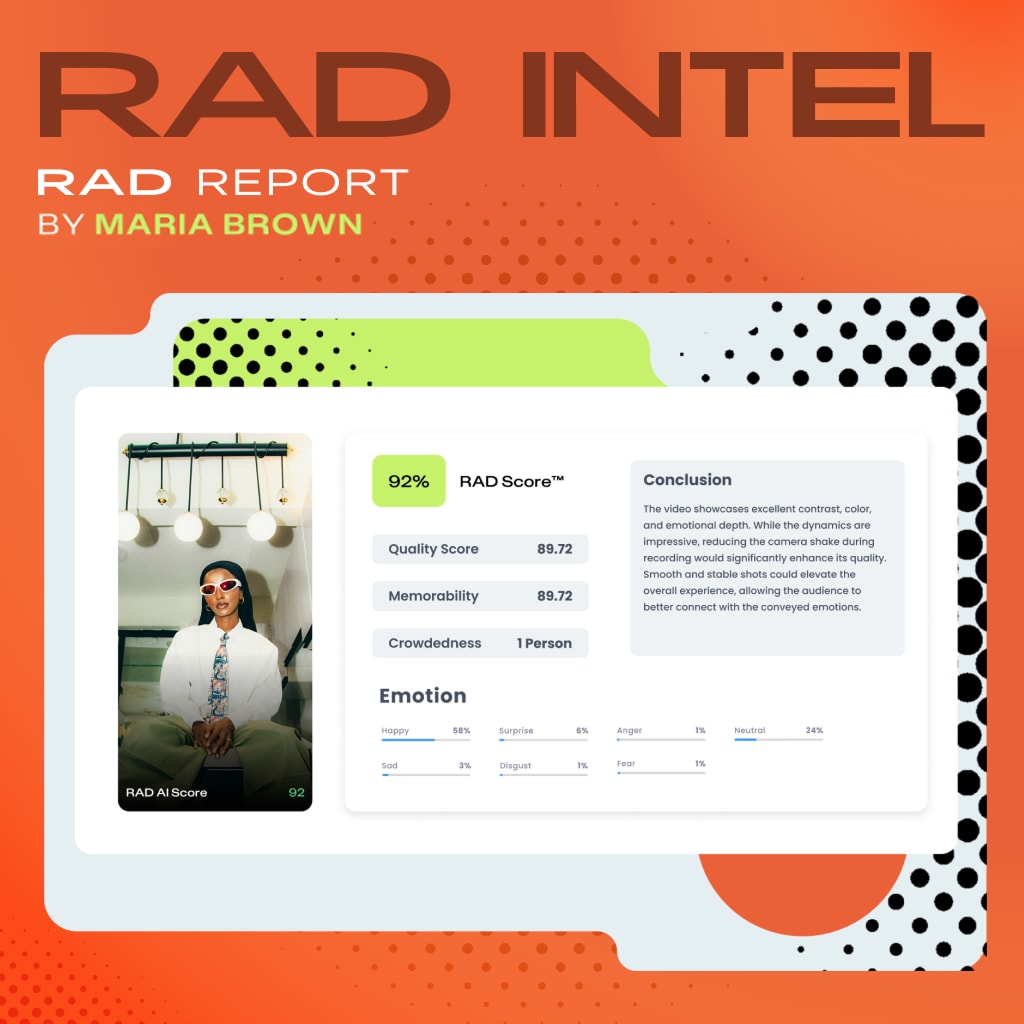
Maria Brown, Head of Comms, RAD Intel
The flattening has begun. Brand voice is starting to blur.
As more companies lean on the same AI tools to generate messaging, the edges will soften until eventually everything just sounds the same. Polished. Safe. Invisible.
Scroll LinkedIn for five minutes and it’s obvious. Every founder is “disrupting.” Every update is “AI-powered.” Every product is “game-changing.”
I’ve been doing this a long time and have to ask, if everyone’s a thought leader, who exactly is leading?
This sameness isn’t new—but now it’s accelerating. Campaigns miss. Partnerships underdeliver. Strategy meetings feel like déjà vu.
It’s not simply a creative issue these days. It’s a strategic one.
That’s why clarity is quickly becoming the most valuable asset in marketing. And smart teams are shifting how they get there.
Instead of chasing more content, they’re adopting tools that sharpen decisions. Institutional AI—not just generative, but agentic—is powering platforms like RAD Score, built to help marketers move with speed and precision.
These aren’t content machines. They’re clarity engines. Helping teams test, refine, and launch with more confidence—and far less guesswork.
Because the goal isn’t to make more noise. It’s actually to connect.
Gut Instinct Won't Cut It AnymoreFor years, marketers have relied on historical experience and gut instinct to shape creative, choose influencers, and predict campaign outcomes. Sometimes it works. Often it doesn't.
What we've learned working with performance-driven teams is this—confidence comes from knowing, not guessing.
This is where RAD Score is playing a major role with brands today—not as the centerpiece, but as a compass for digital marketers looking to stand out in a sea of sameness.
With RAD, brand teams can make sense of what’s likely to resonate before they hit publish. They can build stories that say something that's different while removing the pressure of guesswork. Marketing campaigns become grounded in emotional insight. And that's why it's in demand.
For many clients, this tool is unlocking the freedom to experiment within clearer guardrails. To push bold creative, knowing the message is mapped to what the audience already cares about.
It means teams spend less time defending their choices and more time doubling down on what’s working. When a single campaign drives 3.5x stronger ROI, like we’ve seen in the field, that clarity becomes contagious—not just within marketing, but across leadership.
It’s not about chasing perfect. It’s about creating alignment from the start. That’s the difference when you lead with clarity, not just content.
The New Rules of Brand BreakthroughIn an era of noise, these are the rules that separate the scroll-past brands from the ones that stick.
If you don't know where your buyer is digging online, that's a problem. Going viral isn’t a strategy. It's a side effect of alignment between message, moment, and audience. Marketers need to tap into that alignment. When content connects emotionally, it performs.
Say less. But mean it more. Today’s best brand campaigns aren’t louder—they’re sharper. Skechers didn’t need 10 posts to explain their value. They needed one creator with the right message, at the right time. Our data helped identify who that was and why they’d land—before a dollar was even spent.
Your brand voice isn’t your tone. It’s your point of difference. Tone can be mimicked. Style can be copied. But understanding what makes your message click and your audience act is a deeper kind of differentiation. RAD Intel helps brands uncover what actually moves people so they can repeat it with confidence.
Economic headwinds are real. Budgets are tighter. Leadership is asking hard questions... because they are getting asked by their board. But while many companies are retreating into safer bets and templated playbooks, the breakout brands are doubling down on precision.
The ones who win aren’t producing more. They’re producing with purpose.
At RAD Intel, our agency partners tell us the same thing. One high-performing message can unlock 10X opportunities across a client portfolio. When a brand sees results, they don’t dip a toe in. They scale. That’s what happened with our wins in beauty, retail, lifestyle, and home.
And that’s not a fluke. That’s the power of clarity.
A View from the Comms DeskI’ve spent my career in emerging tech, helping early-stage companies find their voice. The ones that succeed don’t lead with hype. They lead with substance.
They understand that a pain point is not a marketing angle—it’s a business opportunity. And that clarity, not cleverness, is what cuts through.
The market is flooded with noise. The brands that win are the ones that speak directly, think clearly, and move quickly. They don’t chase trends. They build trust.
Because great brands don’t win by saying everything. They win by saying the right thing, to the right people, at the right moment of need.
RAD Intel was built for that moment. And RAD Score is the cengine powering it.
Final WordAI has endless potential for creativity. But be careful; it won’t kill brand originality in one big moment. It will erode it quietly.
We’re watching an entire industry chase scale while losing substance. The irony? AI can generate more content than ever, but it can’t create connection unless you tell it where to aim.
The brands that win won’t be the ones producing the most. They’ll be the ones who stand for something—and back it with insight, not noise.
So if your brand is scaling content, pause and ask the following:
Is it actually cutting through?
Are you tracking performance beyond impressions?
Or just publishing at volume and hoping something sticks?
The future belongs to those who say the right thing—and can prove it. Not by shouting. Not by spinning. But by saying less, with data to back it up.
📩 Want to see how RAD Score can sharpen your message, deepen your brand impact, and drive performance you can prove? Reach out: mariabrown@radintel.ai
The new year always brings a sense of anticipation—a chance to look ahead and imagine what’s on the horizon. It’s also an opportunity to reflect and ask the big questions about ourselves, our industry and the clients we serve. At RAD Intel, we’ve spent years at the forefront of the creator economy, helping brands unlock the power of authentic connections. It’s no accident we’ve made it this far in such a highly competitive space. Asking the right questions—then leveraging those insights to create AI technology that addresses real-world challenges—has been integral to our success.
In fact, asking the right questions is how we stay ahead. The creator economy is constantly evolving, and staying at the forefront requires blending the art of storytelling with the science of data. Our proprietary AI technology then allows us to dive deeper into what drives real engagement while uncovering the trends shaping tomorrow’s consumer behaviors.
What truly sets us apart, though, is our connection to the people leading these changes. From the world’s top brands and in-demand agencies to the most influential creators online, we collaborate with those redefining what’s possible. By operating at the intersection of technology, creativity and expertise, the RAD team keeps its focus sharp—and always on what’s next, and how we’ll lead the way forward.
So, what is next? At RAD Intel, we focus on the forces evolving the industry and listen closely to the rumblings of upcoming shifts. Combining insights uncovered by our AI, the expertise of our network of industry leaders, and a healthy dose of good old-fashioned intuition, we’ve identified the key predictions we believe will shape 2025—and redefine how brands connect with their audiences.
Top 10 Predictions That Industry Insiders Can Bet On in 2025:TikTok Ain’t Goin’ Anywhere: Despite ongoing debates about its future, TikTok will remain accessible in the US. There’s just too much money at stake and the platform is too embedded into US-based culture. Its unique ability to foster immediate and direct connections makes it indispensable for brands targeting younger demographics, especially Gens Z and Alpha. Also, recent “warm spot in my heart” acknowledgments from President-elect Trump further suggest that TikTok will continue to play a significant role in the US social media landscape.
Creators Joining Brand Boards: Influencers are evolving beyond content creation, stepping into strategic roles within brands. Their deep understanding of consumer behavior and market trends positions them as valuable assets in decision-making processes. We anticipate a growing presence of creators on advisory boards and even Boards of Directors, reflecting their integral role in brand development.
AI as a Creative Collaborator: AI has become an essential partner in content creation – helping ideate in ways we humans never thought possible. In fact, Generative AI tools are now capable of driving campaign concepts and producing content, leading brands to acknowledge AI systems alongside human creatives. This collaboration enhances efficiency and opens new avenues for innovation.
Equity-Based Partnerships with Influencers: The traditional cash-for-promotion model is evolving. Influencers, recognizing their substantial impact on brand growth, are beginning to negotiate for equity stakes in the companies they endorse. This shift aligns the success of both parties, fostering deeper collaboration and shared objectives.
Platforms Offering Creator Stock Options: Social media platforms are acknowledging the value creators bring by exploring equity programs for top-performing influencers. By offering stock options, platforms aim to solidify loyalty and align incentives, ensuring sustained growth and mutual benefit.
(Truly) Influencer-Led Campaigns: Brands are increasingly entrusting influencers with complete creative control over campaigns. This trend leverages the authentic connections creators have with their audiences, resulting in more genuine and effective marketing efforts. Influencers are becoming the new creative agencies, driving brand narratives in innovative directions.
Focus on Micro-Communities: The shift from mass audiences to micro-communities is gaining momentum. Brands are targeting smaller, highly engaged groups, recognizing that niche audiences can drive higher ROI through personalized engagement. Brands ranging from Sperry to Sephora have already capitalized on micro-influencers and created their own micro-communities where customers advise and support each other. This approach fosters stronger brand loyalty and more meaningful consumer relationships. Rise of Virtual Influencers: AI-generated digital influencers are emerging as significant players in the marketing arena. These virtual personalities are building real-world empires, complete with merchandise, partnerships, and dedicated followers—one of the most prominent examples being @lilmiquela with 2.5M+ Instagram followers. The line between virtual and human creators is blurring, offering brands new avenues to explore in audience engagement.
AI's Precision in Predicting Consumer Behavior: Advancements in AI are enabling unprecedented accuracy in delivering hyper-personalized experiences that resonate on a personal level, enhancing customer satisfaction and loyalty. With RAD Intel’s AI-powered insights, brands can actually predict individual consumer behaviors from purchase timing to content preferences to finetune campaign strategy.
Mass Adoption of AI in Marketing: Brands: That Innovate and Adapt, Win: The evolution of influencer marketing offers exciting opportunities for those ready to embrace change and harness the power of AI. Mass adoption of AI in marketing is no longer just a trend—it’s the new standard. By leveraging AI to analyze data, predict consumer behavior and deliver hyper-personalized experiences, brands and creators can navigate an ever-shifting digital landscape with confidence.
Those who innovate and adapt will stand out. By understanding these trends, brands can foster authentic connections with their audiences, driving long-term growth in a competitive marketplace. As we head into 2025, the fusion of human creativity and cutting-edge AI technology promises to push boundaries, redefine possibilities, and elevate the creator economy to new heights.
Whether we’re right on some or all of the above – next year is set to be exciting. The opportunities ahead are immense, and success will belong to those willing to experiment, adapt, and lean into the tools driving this evolution. AI is no longer optional— and in marketing, it is absolutely an essential partner in navigating the complexities of today’s digital ecosystem. Brands that pair technology with a commitment to authentic storytelling will not only keep pace but also set the standard for meaningful engagement and measurable results. For creators, the landscape has never been more promising. Their voices, insights, and creative leadership are becoming central to how brands connect with their audiences. From influencing strategy to earning seats in the boardroom, creators will play a key role in shaping the future, proving that their value extends far beyond engagement metrics. As we look toward 2025, one thing is certain: the intersection of AI and human creativity will define what’s next. At RAD Intel, we’re excited to be at the forefront of this transformation, helping brands and creators turn possibility into reality. The future of marketing is here—and it’s only getting better. If you’re interested in learning more about what we do, or how we think about the modern world of marketing, please reach out via email at mariabrown@radintel.ai.
As we approach the end of this year, it seems like the perfect time to reflect on the seismic shifts in influencer marketing and the milestones RAD Intel has achieved along the way. In 2024, the industry saw unprecedented growth, driven by AI adoption, the rise of micro-influencers and a renewed focus on authenticity. Influencer marketing evolved into a critical channel for brands seeking to build meaningful connections in an unbelievably fragmented landscape.
For RAD Intel. 2024 was a banner year marked by groundbreaking innovations, strategic campaign milestones and truly impactful partnerships. We not only expanded our AI-powered platform capabilities but also deepened our bench of seasoned experts, underscoring our commitment to empowering brands and agencies with tools that drive measurable ROI. From the launch of State-by-state functionality to the successful AI Buyout Strategy, we’ve helped redefine how businesses harness the power of the creator economy.
This year has been one of growth, brand transformation, and laying the groundwork for building bigger and better solutions that will shape the future of our industry. As we reflect on these achievements, here are some of the key trends and milestones that defined 2024 for RAD Intel and the influencer marketing industry.
📊 Top Trends in Influencer MarketingAI-Driven Personalization Takes Center Stage:
AI has transformed influencer marketing, with nearly 55% of marketers leveraging it to enhance efficiency and personalization in some capacity. Tools like AI-generated avatars, dubbing, analytics, and even RAD Intel’s own Audience Insights are now integral to identifying the right influencers, crafting tailored campaigns, and analyzing engagement patterns, enabling brands to deliver impactful, data-driven results.
2. The Nano and Micro-Influencer Revolution:
Brands are increasingly turning to nano (1K–10K followers) and micro-influencers (10K–100K followers) for more authentic connections and higher engagement rates. In fact, 43% of marketers reported increased use of these influencers this year, capitalizing on their ability to resonate with niche audiences.
3. Long-Term Partnerships Over One-Off Deals:
Building deeper relationships with influencers has become a priority, as brands seek consistent messaging and stronger collaboration. With 34.6% of marketers emphasizing regular communication, this shift reflects a move toward enduring partnerships that create meaningful impact.
4. Diverse Video Content Is King:
Short-form videos continued to dominate, but 2024 saw an increase in demand for diverse formats. From educational long-form content to shoppable live-streaming, brands are finding creative ways to engage audiences across platforms.
5. Authenticity and Transparency Win:
If we’ve said it once, we’ve said it a million times—consumers are increasingly demanding genuine product experiences and partnerships. Transparent influencer collaborations have been key in building trust.
6. Social Commerce and Shoppable Live Streaming Soared:
Platforms like TikTok Shop have upended how consumers discover and purchase products, transforming live-streaming into a dynamic, real-time shopping experience. By empowering influencers to showcase and sell products seamlessly during live broadcasts, these platforms have blurred the lines between entertainment and e-commerce, setting the stage for the next wave of digital consumer behavior.
This year, RAD Intel reached new heights, reflecting our commitment to driving innovation and empowering brands with actionable insights.
New Name, New Brand: RAD AI became RAD Intel, signaling a new era of smarter, more impactful marketing solutions. This rebrand underscores our mission to provide deep, data-driven insights in the creator-driven economy.
Team RAD: Team RAD has redefined large-scale marketing by integrating best-in-class agencies with RAD Intel’s AI-powered capabilities. From influencer activations to scaled partnerships, we’ve set a new standard for execution and efficiency.
State-by-State Functionality: Our new state-level insights have enabled brands to tailor campaigns with hyperlocal precision. By analyzing trends from platforms like TikTok and Reddit, marketers can now connect with audiences on a regional scale, ensuring their messages resonate deeply.
Driving Innovation with AI Buyouts: With one acquisition under our belt, RAD Intel’s Artificial Intelligence Buyout (AIBO) strategy is designed to acquire small-to-medium-sized agencies and supercharge them with advanced AI capabilities. This integration streamlines operations, boosts efficiency and drives higher margins – allowing every agency acquired to achieve faster returns while delivering more impactful campaigns.
Expanding Our Advisory Board: We welcomed industry leaders like Maya Kosovalic (VP of Digital Innovation and E-Commerce, NYX Professional Makeup), Nolan Carleton (former Head of Global Social Media, AT&T), and Heather Stuckey (Global Senior Director of Strategy and Transformation, Mars) to our advisory board, strengthening our mission to transform customer engagement through AI-driven insights.
As influencer marketing continues to evolve, the demand for authenticity, precision and innovation becomes even more critical. Consumers are seeking genuine connections, and brands must adapt by leveraging data-driven insights and cutting-edge tools to meet their expectations.
At RAD Intel, we’re proud to play a role in shaping this dynamic landscape, equipping brands with the tools they need to thrive. Ready to future-proof your marketing strategies? Let’s connect and explore how RAD Intel can help you achieve your 2025 goals.
Here’s to an impactful year ahead!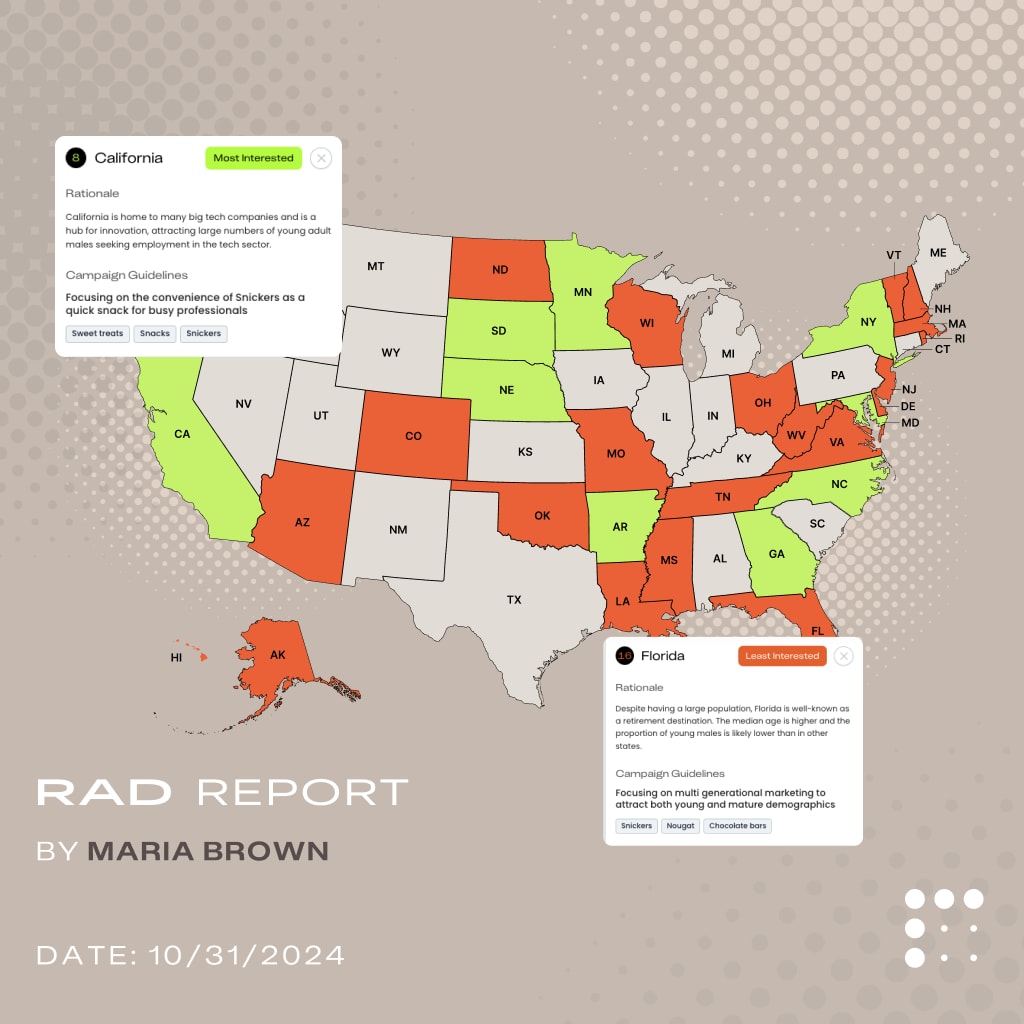
Brands today have moved beyond broad-stroke marketing. Now, they’re embracing micro-targeted, local insights. The result? Messages that hit home—literally and figuratively.
Why are deeper insights so powerful? Simple—hyperlocal relevance drives engagement and loyalty. When you speak to your audience’s unique needs, preferences, and even their local issues, your marketing becomes a conversation, not just another ad.
Let’s take a look at how local insights are already changing how brands connect, along with a few lessons learned from campaigns that could have benefited from this kind of precision.
📈 Hyper-Successful Hyperlocal Campaigns: Hitting the Right Note1. Domino’s Pizza - Paving for Pizza Domino’s identified a simple, yet brilliant local issue: potholes. Poor road conditions were affecting pizza deliveries, and Domino’s stepped in with a hyperlocal solution. By repairing potholes in specific neighborhoods, they solved a real problem for their customers, while generating goodwill and a major PR win. The campaign not only put Domino’s front and center in local communities, but also made them a hero of the streets—literally.
2. Spotify - Thanks 2016, It's Been Weird You may remember Spotify’s humorous “Thanks 2016, It's Been Weird” campaign that took hyperlocal insights to the next level by showcasing listener data on billboards across specific neighborhoods. In New York's Times Square, a billboard read, "Dear person who played 'Sorry' 42 times on Valentine's Day, What did you do?"—engaging locals through clever, location-based content that resonated on a personal level.
3. Ben & Jerry's - City Churned Ben & Jerry’s created custom ice cream flavors based on local data. For example, in New York, they tracked public transportation routes and social media mentions to determine ingredient ratios for each city’s unique flavor. This campaign exemplified how hyperlocal insights can drive creative community engagement, fostering a sense of pride and ownership among local residents.
📉Cringe Campaigns That Could Have Benefitted from Regional Insights …1. McDonald's - #McDStories McDonald's launched a Twitter campaign encouraging customers to share their positive experiences using the hashtag #McDStories. However, the campaign quickly backfired, with many users sharing negative stories instead. Local insights could have helped McDonald’s:
Gauge local sentiment before launching nationwide.
Tailor the hashtag and messaging to reflect the unique preferences and experiences of different communities.
Develop region-specific responses to address local issues and build stronger brand connections.
2. Dr. Pepper Ten - Not for Women Dr. Pepper’s 2011 campaign for their low-calorie drink, Dr. Pepper Ten, featured the tagline "Not for Women." The campaign alienated half their potential audience and was seen as sexist. Hyperlocal insights could have:
Enabled Dr. Pepper to better understand gender perceptions across diverse communities.
Helped craft messaging that appealed to different demographic groups, with regional variations based on local cultural sensitivities.
Provided insights to avoid excluding potential customers by ensuring the campaign resonated with local values and humor.
3. Pepsi - Kendall Jenner Ad Who can forget the notorious Pepsi ad featuring Kendall Jenner handing a police officer a can of Pepsi during a protest… This example may be dusty but it’s still more than relevant today. The campaign was accused of trivializing social justice movements and the brand experienced serious backlash. With local data, Pepsi could have:
Studied the protest cultures and social justice movements in different cities and communities, allowing for more nuanced storytelling.
Created regionally specific campaigns addressing local social issues that truly resonated with those affected.
Partnered with grassroots organizations in key regions to ensure the messaging was authentic and aligned with local concerns.
RAD Intel is excited to continue driving the trend of hyperlocal marketing with our newly launched state-by-state functionality, empowering brands to connect with their audiences on a regional, even district-level scale. The news is spreading fast and industry magazines like AdWeek, CMO Today and MarTech365 have covered our announcement!
With this new functionality, we’re helping brands achieve next level success, which comes from knowing audiences inside and out. We built the new State tool to provide marketers with the insights they need to create timely, hyper-relevant campaigns.
Our AI-driven platform surfaces real-time trends from social platforms like TikTok, Reddit, and Instagram, enabling brands to spot changes early and adjust their strategies accordingly for maximum impact.
From district mapping to micro-influencer strategies, RAD provides the local insights that modern marketers need to stay ahead of the game. Whether you’re launching a new product or refining your current approach, we give you the edge to stand out.
🗺️Ready to dive deeper into hyperlocal marketing?
Get a demo of our state-by-state functionality and start making data-driven decisions that resonate in every region.

The holiday season has arrived—a time that’s often make-or-break for brands. It’s also a moment to pause, give thanks, and reflect on the meaningful impact our community can create beyond just conversions and impressions.
This year, I was inspired by how many influencers and brands have stepped up to create meaningful change – not just drive sales.
And that matters more than ever today. Did you know that 88% of millennials expect brands to take a stand on societal issues, and influencers are uniquely positioned to make that connection. Their ability to foster trust by engaging with audiences on a more personal level goes beyond promotion—it drives real action. When brands partner with influencers who align with their values, they don’t just reach customers; they create movements that resonate far beyond the holidays.
It doesn’t stop there, 75% of Generation Z expect brands to take a stand on social issues too. Younger generations are looking for brands that do more than sell, they want brands that stand for something. When companies partner with influencers who align with their values, they’re not just reaching customers; they’re creating mini movements that resonate far beyond the holiday season. This is where the magic happens.
As this momentum grows, it’s creating ripple effects in some of the most critical areas of our time—like environmental sustainability. Influencers are proving that they’re not just effective at driving sales; they’re also powerful advocates for change, tackling some of the world’s most pressing challenges.
Influencers in Environmental Activism – When it comes to sustainability, some brands and nonprofits are absolutely nailing it:
Patagonia’s Environmental Campaigns: Patagonia has been in the game for years, partnering with influencers who are as passionate about the planet as they are. They’re not just pushing products—they’re starting conversations and inspiring action.
Kiss the Ground’s Climate Change Campaign: This nonprofit worked with influencers who focus on topics like wellness and agriculture to create over 5 million impressions and 37,000 clicks to their site. The result? A ripple effect of awareness and action around regenerative farming and climate change.
Vivobarefoot’s Partnership with Robin Greenfield: Robin takes a creative approach to “influactivism” in his work with Vivobarefoot to promote sustainable footwear—like hosting a three-course meal made entirely from wasted food to challenge how we think about sustainability and consumption.
Building a Healthier Future – Many health advocacy and support organizations are leveraging influencers to amplify their messages and drive meaningful results:
Leukemia & Lymphoma Society’s “Light the Night”: By working with 30 creators, they reached over 240,000 people and had a 20% engagement rate—all by humanizing their message through emotional, relatable content.
Susan G. Komen’s Breast Cancer Awareness Campaigns: Personal storytelling from female influencers made these campaigns soar, surpassing engagement goals by a staggering 943%.
Truth Initiative’s “Quit Together” Campaign: TikTok creators have been sharing their personal journeys to quit vaping, creating an authentic and relatable campaign that resonated with young audiences.
The Rise of Activist Influencer – Then there are the creators who have made advocacy their brand. These are the folks using their platforms to drive change every single day:
Kathryn Kellogg (@going.zero.waste): Kathryn’s all about helping her audience live more sustainably, from reducing waste to embracing eco-friendly products.
Isaias Hernandez (@queerbrownvegan): Isaias talks to his followers about how plant-based diets can fight climate change while building a stronger sense of community.
Here’s the big takeaway: When brands team up with influencers who really care about a cause, the impact is far-reaching—spreading awareness, inspiring action and driving real results.
So, as we move past Thanksgiving celebrations and into full on HOLIDAY SHOPPER MODE, let’s take a moment to celebrate the work that inspires, uplifts and gives back. It’s a good reminder that great marketing doesn’t just reach people—it moves them.
I didn’t know that… 2024 will be the first ‘mobile-first’ holiday season, according to Adobe’s 2024 US Holiday Shopping Forecast. While 71% of US consumers plan to shop online on Black Friday, 51% report preferring to do their Black Friday shopping on mobile devices. Adobe also predicts almost 60% of Gen Z and millennials are expected to use GenAI for holiday shopping.
I liked the creativity of… Walmart’s “Deals of Desire” ‘advertainment’ series—blending the drama of fan-favorite TV with the excitement of Black Friday shopping. By parodying hits like Friday Night Lights and Bridgerton, the retailer tapped into customers’ “main character energy” while cleverly bridging content and commerce. The series feels fresh, playful, and culturally savvy.
I was inspired by… Jool Baby’s innovative use of TikTok Shop to engage young, tech-savvy parents with authentic user-generated content ahead of Black Friday shopping. Per a recent write up in Forbes, their success during the platform’s October Fall Deals event, coupled with expansion into affiliate marketing, highlights the power of blending relatable content with strategic partnerships to drive both sales and brand awareness.
I’m excited about… the Holiday Season! Happy Holidays to you and yours—and here’s to making a difference, one campaign at a time.
Have a favorite example of influencers driving meaningful change? Let me know at jeremybarnett@radintel.ai—just use ‘NEWSLETTER’ in the subject line.
Thanks for reading, and until next time!
JB
In today’s competitive landscape, just reaching your audience is not enough. Brands need to connect on a much deeper level - aligning emotions, values, and interests to create authentic, compelling content.
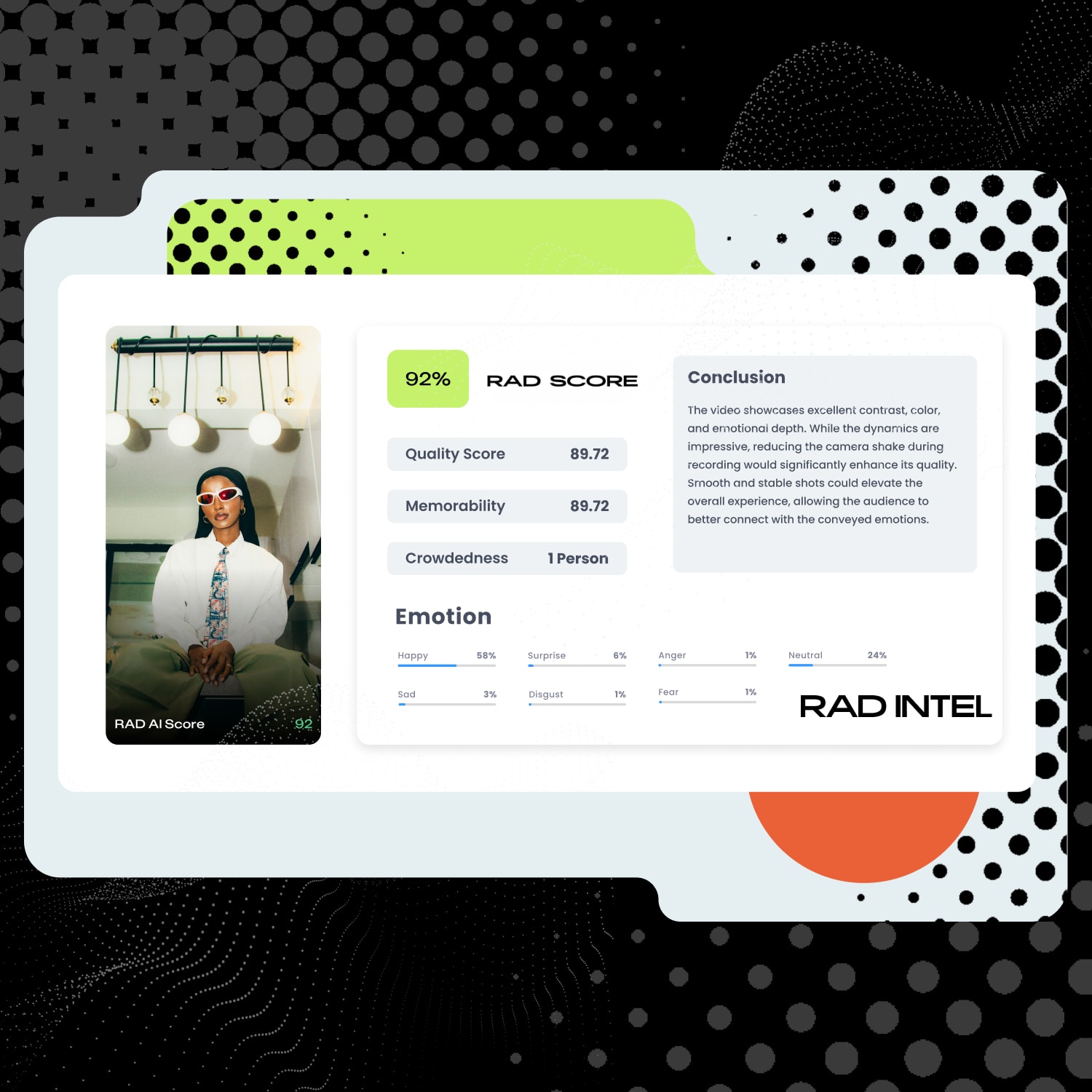
At RAD Intel, we understand the importance of this connection. That’s why we created, refined, and expanded upon our RAD Score – to provide brands with a much more refined framework and approach to smarter influencer marketing decisions and strategies.
So…. What is the RAD Score?The RAD Score is a proprietary metric designed to assess the fit of an influencer with a specific marketing campaign or audience. It combines multiple data points to provide a comprehensive view of how well a creator aligns with your brand's objectives, ensuring that every collaboration feels authentic and on-brand.
The four components of a RAD Score:
Interests: Measures how closely a creator's interests align with your target audience’s primary and secondary interests.
Feelings: Gauges the emotional tone of a creator's content to understand the emotional impact on their audience.
Demographics: Assesses how well a creator's audience demographics match your target market.
Engagements: Measures the creator's content performance against industry benchmarks to evaluate impact and resonance.
RAD Intel offers a comprehensive framework to help you make smarter decisions in your influencer marketing strategy. Our RAD Score provides a multi-dimensional view of an influencer's suitability, ensuring you select the perfect partners for your campaigns.
Why the RAD Score MattersIn an era where digital marketing tools are emerging and or evolving almost daily, the RAD Score provides marketers with a critical edge. Here’s how our RAD Score helps:
Helping Brand’s Identify the Perfect Influencers: The RAD Score helps you find creators who genuinely resonate with your target audience.
Authenticity in Creating Content: By aligning with creators whose values and interests match your brand, you can produce emotional content that feels genuine and builds trust.
Measure Campaign Success: Use the RAD Score to track the impact of your influencer partnerships, gaining valuable insights into what does and doesn’t work.
The RAD Score is powered by RAD's proprietary AI engine, a sophisticated large language model (LLM) that analyzes multiple facets of a brand's marketing materials, including:
Emotion: Understanding if the content evokes the desired emotional response.
Sentiment: Measuring how positively or negatively the content resonates.
Quality: Assessing the visual appeal, writing quality, and technical soundness.
Virality: Evaluating the content's potential to be shared and generate buzz.
Clarity: Ensuring the message is clear, concise, and easy to understand.
Memorability: Gauging whether the content will be remembered by the audience
By considering these elements, the RAD Score offers a more objective and data-driven measurement of your content's effectiveness, moving beyond traditional analytics tools:
Data-Driven Optimization: Pinpoint areas where your content excels and identify opportunities for improvement.
Reduced Guesswork: Focus on the aspects that matter most to your audience, taking the guesswork out of content creation.
Benchmarking: Compare your RAD Score against industry standards or competitor campaigns to maintain a competitive edge.
Improved ROI: Ensure your content connects with your audience, driving conversions and maximizing your marketing ROI.
Whether you're a seasoned marketing practitioner or just starting out, the RAD Score is a valuable tool for enhancing your marketing strategy. Rad offers multiple options for leveraging this technology, including software integration and custom marketing audits.
In today's information-packed world, the RAD Score helps you stand out. Our AI-powered tool analyzes data and provides insights tailored to your marketing objectives. Ready to take your marketing to the next level? Book your demo to learn more about how the RAD Score can transform your influencer marketing strategy.
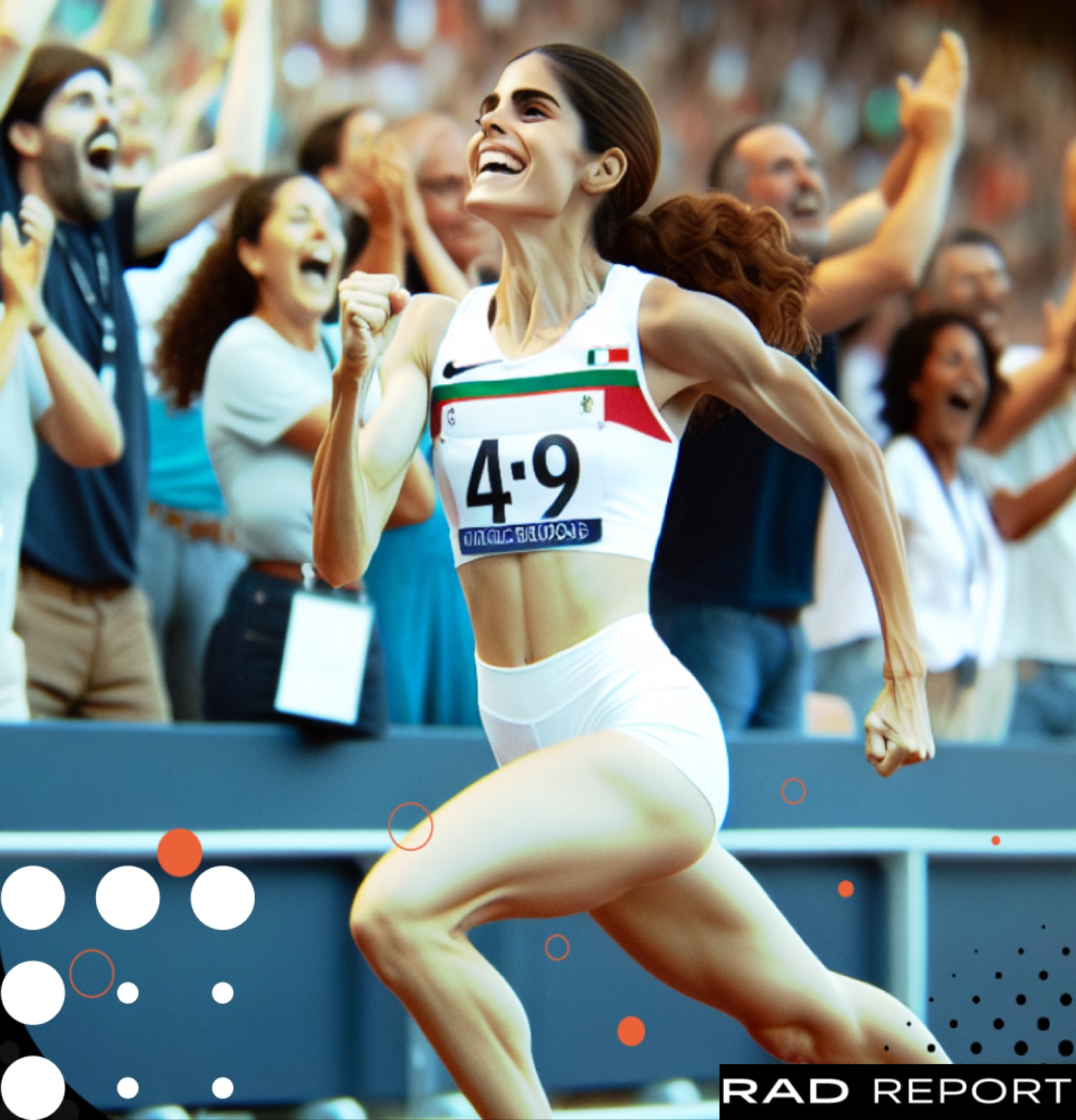
The recent Olympics showcased the power of influencer marketing in captivating global audiences. From behind-the-scenes glimpses at what athletes were eating to brand spotlights live from the arena, influencers played a pivotal role in driving engagement and shaping conversations.
Key Takeaways + Friendly Reminder:Authenticity Matters: The most effective influencer campaigns are built on genuine connections between creators and their audiences.
Data-Driven Insights: Understanding your target audience is essential for identifying the right influencers and creating compelling content.
Content is King: High-quality, engaging content is key to driving results.
Based on our analysis, we're awarding Gold, Silver, and Bronze Medals to the standout influencers and campaigns.
Cue the national anthem. . .
GOLD 🥇: Reddit: The Sleeper Platform of the 2024 OlympicsThe power of Reddit in Influencer Marketing is still relatively misunderstood but the Olympics has helped shine a big spotlight on its efficacy. Despite being overshadowed in news headlines by more mainstream platforms, Reddit continues to be a highly effective tool for engaging very specific audiences.
And, while X’s future remains unclear and Facebook is still monopolized by your weird aunt and old classmates, more people are turning to Reddit, Inc. to confer on hot topics and share their two cents in a more authentic, anonymous forum.
How do we know? RAD AI’s exclusive API-based Reddit integration identified and analyzed over 800 Olympics-related subreddits, containing 351,000 conversations among 2.6M consumers. We then used our proprietary audience insights to drill deeper into the data and determined that brand posts featuring an athlete’s journey plus relatable lifestyle content is 319X more likely to perform well.
Additional key findings included:Authentic Conversations: Reddit's anonymous nature fostered authentic discussions among fans about judge decisions, athletic performances, and so much more
Niche Communities: The platform's numerous niche communities allowed for targeted engagement at the macro, micro, and nano levels.
Data-Driven Insights: RAD AI's data analysis revealed Reddit's potential for influencer marketing.
RAD AI’s powerful integration with Reddit provides clients with real-time, real-world insights into who their customers are and what motivates them. This enables brands to confirm whether a particular athlete is the right influencer for a given campaign and effectively structure the content for maximum impact.
THE SILVER MEDAL 🥈: The Power of AuthenticityNext, we award the silver medal to the fabulous Athletes & Influencers who created some prime examples of authentic, impactful content for a number of savvy brands.
Paralympic champion Jessica Long partnered with brands like SKIMS , Toyota Motor Corporation, and Ralph Lauren. Paralympic champion partnered with a number of different companies. As a trendy, young swimmer who spends all her time in spandex, it’s no surprise to us that the SKIMS post really resonated with her Instagram followers—it's a great fit for both parties.
At the same time, we loved how rugby star Ilona Maher flaunted her signature red lip and love for makeup for L'Oréal but was still able to make playful content about her tomboy side to promote Procter & Gamble's Secret deodorant. Both messages are authentic to Ilona’s personality while illustrating how multifaceted and relatable she is – well done, Ilona!
THE BRONZE MEDAL🥉: Optimized Content for Optimal StoriesFinally, the bronze medal belongs to Better Storytelling overall, across the entire international event. This year, we were witness to brands leveraging super smart, incredibly compelling content strategies to reach their audiences how and where it was most impactful.
A prime example? Let’s look at Daniella Ramirez who created the perfect video demonstration for L’Oreal’s Infallible line. As a synchronized swimmer, she was able to put on a full face of makeup and showcase its staying power in the pool. Chef’s kiss, Danielle —THAT’S a perfect alignment of person, product, and post.
On the other hand, Airbnb made the decision to keep their Instagram endorsement from Hunter Woodhall simple—just photos of Hunter with an enticing caption teasing an exclusive peek into some of the Paralympian’s insider stories. By leaving a little to the imagination, the campaign encourages the audience to stay tuned and follow along for more.
Finally, Gabby Thomas created a real #IYKYK TikTok for her partnership with Delta Air Lines, leveraging an iconic sound from every Millennial’s favorite show—Gossip Girl. If you aren’t familiar with the 2007 The CW Network hit the video may be a little confusing, but for the TikTok audience, it is EVERYTHING.
How? Well, the success of the 2024 Games largely demonstrated the power of influencer partnerships and data-driven strategies. As the creator economy continues to grow, we can expect to see even more innovative and effective influencer marketing campaigns in future sporting events.
As Antoinette S. highlights in her recent influencer marketing breakdown in Digiday, the world of influencers is vast and varied—from YouTube stars like MrBeast to podcast personalities like Joe Rogan. This diversity means there's no one-size-fits-all approach to influencer marketing.
RAD AI is at the forefront of this trend. Our platform empowers brands to leverage the power of influencers and data to create impactful campaigns that resonate with their target audiences.
Drilling into Data with RAD AINow, let's unpack the key takeaways and how RAD AI empowers you to achieve similar success.
Authenticity Takes the Podium: Forget forced endorsements. The most impactful campaigns resonated because they were built on genuine connections. Paralympic champion Jessica Long partnered with brands like SKIMS and Toyota, a natural fit for her trendy, sporty persona. RAD AI's Audience Insights, fueled by real-time data and first-party intel, help you identify influencers whose values align seamlessly with your target demographic. This ensures your message resonates authentically.
Data-Driven Decisions, Silver Standard: Beyond brand alignment, understanding your audience is crucial. Enter Reddit, the unexpected hero of the Games. We leveraged RAD AI's exclusive API integration to analyze 810 Olympics-related subreddits, revealing a goldmine of insights. Here's the winning formula: featuring an athlete's journey alongside relatable lifestyle content boosts performance by a staggering 319x. Our Influencer Discovery tool combines these rich Reddit insights with TikTok metrics, empowering you with AI-backed recommendations for impactful campaigns.
Content Creates the Perfect Finish: Once you've got the right influencers and audience understanding, it's time to craft content that captivates. Daniella Ramirez's poolside makeup demo for L'Oreal beautifully showcased product performance. Meanwhile, Airbnb's partnership with Hunter Woodhall cleverly piqued audiences' interest with a teaser campaign. RAD AI's Content Optimizer analyzes images and videos for emotion, memorability, and virality, allowing you to refine your strategy for maximum impact.
Closing Ceremonies… Lasting Impressions: The Olympic flame may be extinguished but the insights it ignited remain. With RAD AI as your partner, you can unlock the full potential of influencer marketing and create campaigns that leave a lasting impression on the global stage. By leveraging the capabilities of RAD AI, brands can navigate this complexity, selecting influencers who genuinely resonate with their target audiences. Authenticity is key, and by tapping into the right data, brands can ensure their influencer partnerships are as effective as they are genuine.
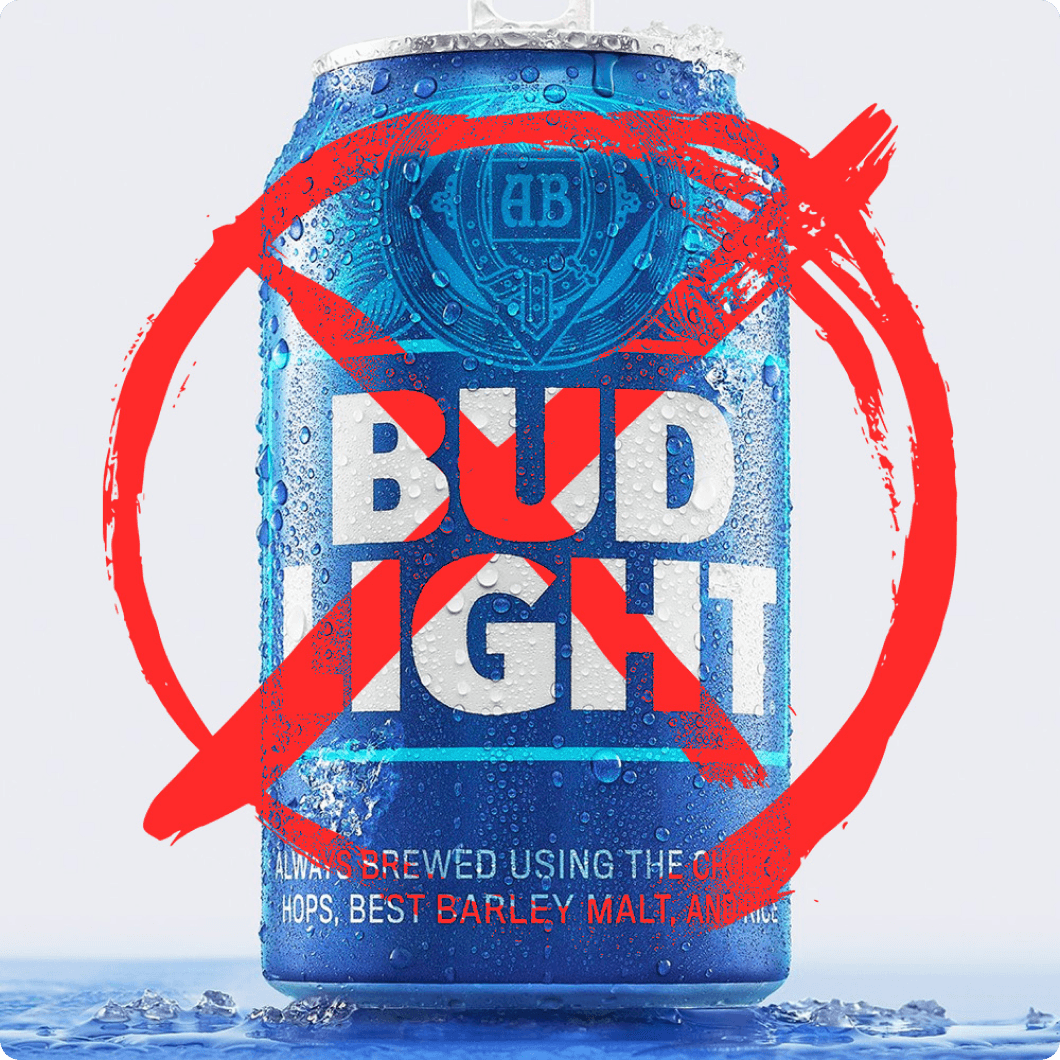
If you want to illustrate why brands need data-informed decisions when doing influencer marketing, you need look no further than the case of Bud Light. Whatever you think of the Dylan Mulvaney controversy, the bottom line for Bud Light parent Anheuser-Busch is $15.7 billion in losses since April 1 and projected annual sales declines of 12% to 13%. In an epic marketing disaster, Bud Light managed first to alienate a significant chunk of its core demographic, then backtrack and anger the same audience it sought to attract in the first place.
But Bud Light's blunder isn't unique, and we don't need to pile on the legacy brand to make the point. The history of marketing is replete with historical and recent examples of companies that have made branding decisions out of touch with their target market. New Coke. Pepsi's Kendall Jenner ad. Star Wars: The Last Jedi. The list goes on.
What Caused Bud Light's Marketing Fail?What causes such colossal marketing disasters? Anonymous sources at Bud Light in crisis management mode have blamed a disconnect between upper management and marketing executives. Bud Light marketing VP Alissa Heinerscheid explained that she sought to attract young drinkers by repudiating what she called the brand's "fratty out-of-touch humor".
Speaking to PR Week, Adam Ritchie of Adam Ritchie Brand Direction observed that Bud Light's failure felt like the brand was trying to take a "shortcut toward trendiness". Peppercomm CEO Steve Cody concurred, saying that Bud Light's temporary trendiness came across as fake, inauthentic "purpose-washing" out of touch with the brand's own purpose and values.
These diagnoses from PR professionals underscore the risks brands face when their marketing teams launch campaigns based on bright ideas uninformed by target audience feedback. Bud Light wanted to attract a younger demographic, but the means it chose to do so alienated actual Bud drinkers as well as young activists unimpressed by impersonations of wokeness. This would not have happened if Bud Light had made more effort to get feedback from actual consumers before launching their campaign. In today's connected culture, that means making data-informed decisions driven by digital input from online audiences.
In this post, we'll show you how using AI to make data-informed decisions can help you avoid mistakes like Bud Light's and enjoy the fruits of successful influencer marketing campaigns. First, we'll look at why marketing blunders like Bud Light's happen and how lack of data contributes to campaign failures. Then we'll explain how RAD Intel uses artificial intelligence to connect audience persona models with the right creative strategies and key opinion leaders to reach your target demographic. Finally, we'll walk you through the process of launching a successful influencer marketing campaign that avoids the types of mistakes Bud Light made.
type: embedded-entry-inline id: gY7vqMpDHHWpUG08FrOBp
How Marketing Blunders HappenBud Light's Dylan Mulvaney marketing disaster replicated mistakes Pepsi made with its failed Kendall Jenner ad campaign, and insights gained from that episode shed light on how these types of blunders happen. The Atlantic staff writer Joe Pinsker spoke to industry insiders and discovered what typically happens.
The process usually begins with a recommendation based on an internal research report, Pinsker learned. For example, a company's research might indicate that Millennials would be a good target demographic to pursue. Seeking to identify what values appeal to Millennials, the research team learns that Millennials identify with social justice activism. Combining these pieces of data, the research team concludes that an activist ad campaign will attract Millennials. (As we'll discuss later, this conclusion is filled with biases and is often incorrect.)
These assumptions get passed on to the brand's marketing agency in the form of a creative brief. Working over a several-month period, the creative team's copywriter and art director brainstorm ideas and share them with the project director. The project director reviews ideas, tosses some out, and selects some for development. Eventually, the director picks their favorite idea and shares it with the rest of their creative agency for feedback and approval.
The approved idea gets passed back to the client for their input. Once the agency and client agree on a final script, a producer gets the production process rolling. During production, the ad may be shown to focus groups for feedback. Finally, the finished ad gets released.
And at that point, if something has gone wrong earlier in the process, the damage is done. The brand, aka "you" are left with inauthentic content, and your audience is well aware of it.
The Bud Light mistake should serve as a crucial reminder for brands and marketers. With the rise of influencers who have amassed large audiences, secondary interest groups have become even more important. This is critical - especially as more and more brands aim to tackle sensitive topics.
Why does, or should we say doesn't this happen?
McKinsey research unveiled personalization as the foremost trend among consumers to foster loyalty within their customer base. This advice from McKinsey applies to both creators and brands. A successful brand should tailor its offerings to a select set of buyer personas, while creators should craft content that resonates with those same personas.
type: embedded-entry-inline id: 2fTUKikqXTP4RkD2u0QGQ
Where Influencer Marketing Campaign Development Goes AstrayWhen the development process described above works correctly, the results can be beautiful. But while the process contains some checkpoints for flagging bad ideas before they move forward, there are several ways mistakes slip through the cracks.
The seeds of disaster may be sown as far back as the research stage. In the above example, the research team combined two pieces of data to reach their conclusion: Millennials would be a desirable target audience. Millennials identify with social justice activism. Therefore, we should do a social justice ad. This was essentially the reasoning underlying Bud Light's campaign as explained by Alissa Heinerscheid.
But while the research team may think this is a logical conclusion, what if the intended Millennial audience doesn't line up with those same conclusions? What if Millennial beer drinkers don't make decisions about beverage consumption based on whether advertisers appeal to social justice activism? What if the Millennial demographic has varying views that don't all fit into one neat box? Or what if other target demographics will respond negatively to an ad that supposedly appeals to Millennials? Unless the researchers are getting feedback from their market on whether their idea is a good idea, they're guessing. And their guesses may be biased, especially if the research team is composed of a different demographic than the audience they're trying to reach.
Another bottleneck in the development process can emerge once the creative team starts using the research team's recommendations to generate campaign concepts. While the creative team may brainstorm many ideas, ultimately, the project director gets to decide which idea will be put into production. Project directors typically rely on intuition and personal preference to make this decision. But if they're not getting input from their intended audience, they’re projecting a personal bias onto their market.
A final checkpoint to catch a potential looming disaster are highly biased, often outdated focus groups. These groups can indeed save the day, but they also can drop the ball. Some members of the group may be afraid to voice objections because of actual or perceived peer pressure. Or the producer or marketing team may ignore and override what the focus group says.
These are some of the vulnerabilities in the influencer campaign development process that create openings for disasters. One thing all these failed checkpoints have in common is reliance on subjective opinion and sentiment instead of hard data.
type: embedded-entry-inline id: 3uAZNWhqxhZXh4NDvdBOEZ
How Lack of Data Contributes to Marketing DisastersConsider how lack of data can create single points of failure at key checkpoints in the development process:
If research teams reach conclusions about what demographics want without actually consulting those demographics, they can pass misguided assumptions on to the creative team. This can set the entire development process off on the wrong foot, setting the stage for failure.
If creative project directors give ad concepts the green light based on their own beliefs and preferences instead of those of their target audience, a campaign can completely misfire. No matter what the rest of the team does, or how clever the copywriters are; no matter how beautiful the art direction, and no matter how professional the production, the most perfectly packaged campaign can fail if it delivers the wrong message to the target audience.
If focus groups don't represent the intended audience, or group members don't speak candidly, or production teams suppress unwanted input, a campaign can end in disaster.
But what happens if you reverse this scenario by injecting key data at critical points in the development process?
What if research teams check their conclusions against actual audiences before passing them on to creative teams?
What if creative project directors check their preferences against actual audience preferences?
What if focus groups get feedback from a well-selected audience sample having authentic conversations about their candid opinions?
If you make these adjustments, now you have research teams passing on accurate information to creative teams. Now you have creative project directors making data-driven decisions guided by objective market research. Now you have production teams getting the opportunity to fine-tune their final productions based on what audiences actually like. Now you have a recipe for success.
This sounds great in theory. But putting these insights into action is complex at best.
How RAD INTEL Delivers Persona-based Influencer MarketingRAD Intel has developed the industry-leading standard for KOL/influencer marketing that keeps marketing campaigns aligned with their target audiences and prevents disasters. With over 600 API-based data connections, including Reddit, we provide unparalleled access to authentic conversations that ultimately match creative strategy to audience targets. This results in unbiased influencer marketing powered by artificial intelligence alongside a continuous feedback loop informed by data.
How does it work?
We take a step-by-step approach that starts with AI-informed audience personas that illuminate creative strategies and influencer selections.
Step 1: Establish Data-based Goals and BenchmarksDuring our discovery process, your client success manager trains our AI on your performance goals. Our onboarding process ingests your historical performance data from social and brand-owned channels to establish measurable benchmarks and quantifiable performance goals.
Step 2: Develop AI-informed Persona Models for Audience IdentificationUsing the data from 600+ API connections and Reddit, we identify the dominant interests and topics your target audience persona is talking about. Expanding on this, we identify secondary and overlapping interests your target customer cares most about. This process provides our clients with AI-informed persona models for optimal audience identification and messaging strategies. There's no need to guess what your audience wants because we know. This information is unbiased and if used properly, ensures the optimal messaging strategy for your target customer.
Step 3: Connect Persona Models to Creative StrategiesNext, your AI-informed persona models are used to guide the creative strategy for your target audience. Connecting your campaign objective to who your target persona is, we identify what interests your audience cares about, as well as where and when you should distribute content to reach them. We help you understand exactly why and how to connect with your audience.
Step 4: Identify the Right InfluencersWith your target persona and optimal strategy defined, our AI platform is able to match influencers and key opinion leaders who fit your audience by persona. Our AI identifies the top 1% of KOLs and influencers who match your campaign criteria. Based on our findings, we provide AI-informed recommendations for approval. We work with you to identify evangelists that authentically align with your target customer persona and campaign strategy.
Step 5: Using your Performance Data to InformAfter you launch your campaign, we use ongoing performance monitoring to make sure you stay aligned with your audience. Through ongoing tracking, reporting, and optimizations, we ensure each client continually achieves their intended goals. In short, we ensure our clients don't end up with a marketing misfire like Bud Light.
How a Successful Influencer Marketing Campaign WorksThe RAD Intel way is a methodology powered by industry-leading artificial intelligence, designed specifically for influencer marketing.
1 AI delivers the optimal audience persona, content strategy
2 AI matches talent recommendations by persona and content strategy for approval
3 We handle everything including, contracting, content rights and campaign deliverables
4 Client control accepting and rejecting influencers including content revisions
5 We handle quality assurance which includes; reviewing content at scale, managing asset distribution, integrating content with brand and social channels and adapting content for paid amplification
Simply put, our clients rely on our data sources and AI-powered persona models to eliminate uncertainty when making campaign decisions. Witness the power first-hand with a live demo today.
Hi all, are you looking for a man in finance? Well, I’m not that guy, but have you heard this viral song on TikTok? Megan Boni (@girl_on_couch), the creator of the song about an “ideal” romantic partner, has garnered significant attention from brands and the online community.
Boni’s original video has over 33 million views, with thousands of TikTokers using her sound for videos. Companies like Fruit of the Loom and Crocs have engaged with her by commenting on her videos and sending her products. Additionally, brands such as DuoLingo, NFL, United Airlines, and more have produced their spin on this trend. In fact, the song's popularity has led to various brands using it in marketing by modifying the lyrics or creating related content.
Given all of this, it’s no surprise that Megan also scored a label deal this week – all from riffing on a 30 second TikTok. That’s the power of content today.
So What’s The Impact on the Creator Economy?Boni's experience highlights the power of viral content in the creator economy. Her song's success demonstrates how individual creators can capture the attention of major brands and influence marketing strategies. Brands are increasingly placing value on authentic, creator-driven content to reach and engage audiences, particularly on platforms like TikTok. Creators' ability to turn viral moments into full-time careers and secure brand partnerships emphasizes the evolving landscape of the creator economy, where content creators can quickly transition from hobbyists to influential market players.
Additionally, the power of creators has put a unique spotlight on the finance bro culture. @Google Trends noted that search interest for “finance bro” is currently at an all-time high in the US, and “finance bro vest” is the top related search over the past week. This trend suggests that the finance bro will likely dominate the summer, presenting brands with a unique opportunity to capitalize on this new phenomenon.
Boni's signing with Capitol/Polydor/Virgin Germany also underscores the growing intersection of social media and the music industry. Major labels are now actively scouting viral content on platforms like TikTok, leading to rapid signing deals and music releases. This evolution exemplifies how social media is reshaping traditional music industry practices, providing a fast track for creators to reach mainstream success and monetization. Read more about Boni’s rise to fame in AdAge and Billboard.
Here are a few other things that have been capturing my attention this month:
I Didn’t Know That…YouTube has reclaimed the top spot from TikTok as the platform where creators earn the most income, with 28.6% of creators identifying it as their primary income source. TikTok follows at 18.3%, and Facebook is close behind at 16.5%. Despite recent initiatives to attract more users, Snapchat remains the least profitable platform for creators, with only 2.5% of creators earning significant income.
U.S. Tennis Association: The brand has partnered with Fat Joe, adding to the excitement for the forthcoming U.S. Open on Tuesday (May 28), with him lending his voice to their “Spectacular Awaits” campaign. Why Fat Joe? His voice truly ignites enthusiasm for the tournament, and his connection to tennis runs deep. Joe’s son, Joey, a tennis enthusiast, has been a source of inspiration for the Bronx MC. Last year, Joe celebrated Joey’s birthday and shared playful pictures of them with oversized tennis balls. Joey, who is 33 and lives with autism, has been a focal point of the musician’s efforts to raise awareness about the condition, notably in his 2023 memoir, "The Book of Jose."
Wharton professors Ryan Dew and Raghuram Lyengar conducted a recent study analyzing over 500,000 TikTok videos. Their published research shed light on the effectiveness of mega-influencers compared to micro-influencers in marketing campaigns. Key findings: while mega-influencers boast wider reach, they generate less engagement. Conversely, micro-influencers, particularly those with 7,500 to 10,000 followers, achieve the highest engagement rates. This translates to a better return on investment for brands. To empower data-driven influencer selection, the researchers introduced the concept of "follower elasticity of impressions" (FEI)
We're thrilled to be innovating alongside our brand and agency partners!
RAD Intel is constantly evolving our platform and we're excited to build powerful new features for our clients! In fact, we are actively customizing new feature sets for some of our biggest agency partners today and are excited for tighter alignment, which always means better service.
Whether you're a brand looking to maximize influencer marketing impact or an agency seeking cutting-edge solutions for your clients, we're committed to providing the tools you need to succeed. Get in touch – we’d love to help you solve problems with AI!
Thoughts or ideas? Let’s connect, jeremybarnett@radintel.ai - I get a lot of inbound - so please be specific as to why you’re reaching out (i.e. Newsletter!).
Thanks for reading, and until next time!
-JB